Small-Apartment Cat Setups
Where can the litter box go in a small apartment?
Compare the corners you actually have, leaving room for a calm approach, open doors and easy cleaning.
Quick Answer
Choose a spot your cat can reach comfortably and you can clean without dismantling the room. Measure the box, its approach, nearby door swing and your cleaning access. A box fitting on the floor plan is only the first check; a quiet, usable route matters just as much.
Before You Buy Anything
- Use the box’s outside dimensions, not its interior tray size.
- Watch for loud appliances, busy passages and routes another animal can block.
- Keep a familiar usable box available while making changes.
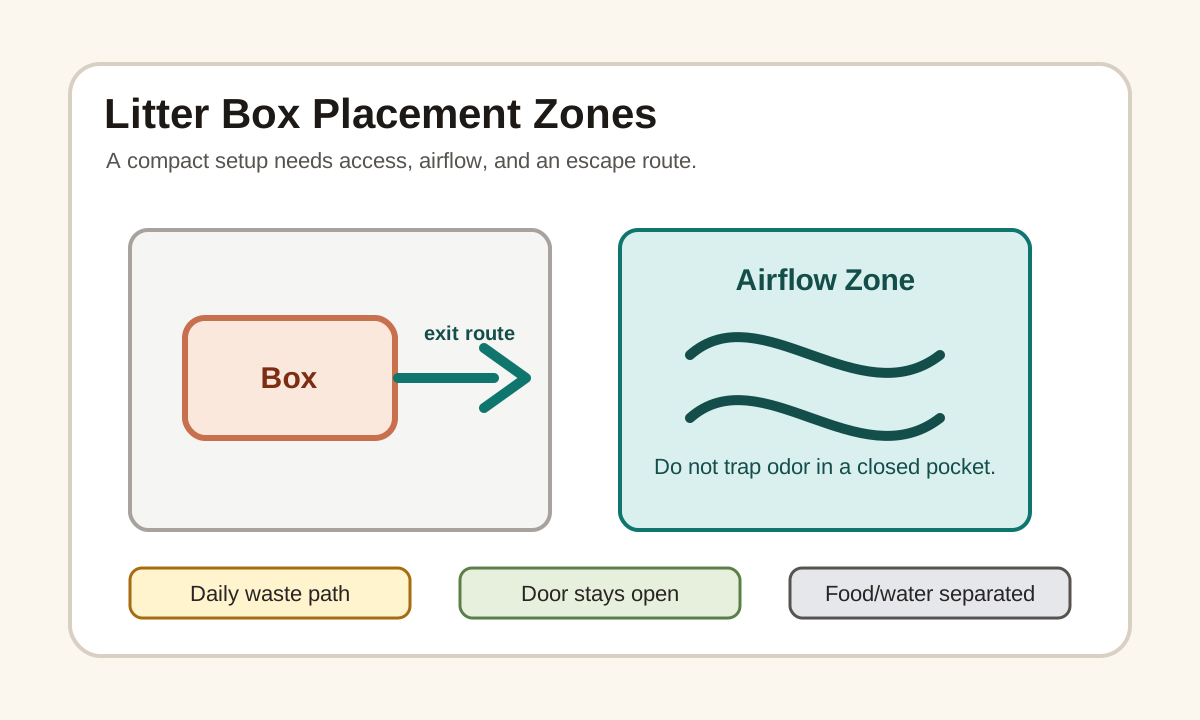
Diagram
A closer look at the setup. This illustration is a planning aid; follow your model’s instructions for assembly.
Common Causes
- A corner holds the tray but leaves too little approach or cleaning space.
- Doors or furniture interfere with the route.
- An enclosed nook adds heat, odor or difficult access.
- A sudden change can make an otherwise neat layout unsuitable for the cat.
Step-by-Step Fix
- List the practical candidate spots and rule out areas with unsafe or unreliable access.
- Measure the clear floor rectangle, door position and fixed obstacles.
- Add the box’s outside dimensions and the approach and cleaning clearances you need.
- Use the placement finder to compare orientation and obstructions.
- Check the real setup with doors open and closed, then watch your cat’s comfort and use; a geometric fit cannot predict acceptance.
Use an Access-First Room Scan
Start by ruling out places that can become unavailable: a closet with a closing door, a bathroom used behind a shut door, a laundry nook with sudden appliance noise, or a corner where a cat can feel trapped. A litter box needs a calm approach, an exit route, and enough surrounding space for normal posture and cleaning.
Then map the human constraints honestly. Note door swing, ventilation, floor type, outlet and cord hazards, and where waste will go after scooping. A location that is technically private but impossible to clean on a busy evening will create more problems than it solves.
- Keep food and water separate from the litter area as the layout allows.
- Choose a stable, low-traffic place with a clear entrance and exit.
- Avoid placing the box beside loud machines, heat sources, or an air blast.
- Check that every cat has reliable access; a closed door changes the plan.
Test a Location Before Building Around It
Use the simplest workable box in the proposed location for a week before buying a cabinet, enclosure, or furniture solution. Watch for hesitation, rushing, accidents, avoidance, and whether you can scoop without moving other items. This low-cost test prevents a permanent-looking setup from locking in a bad route.
For multi-cat homes, resource pressure matters as much as square footage. A beautiful single hidden box may still be the wrong plan if one cat can block another's access. Follow veterinary environmental guidance and adjust for the cats' behavior rather than treating a furniture layout as the final authority.
Keep Odor and Privacy in Balance
Airflow should not mean placing the box in a drafty, exposed path. Remove waste promptly, clean nearby surfaces, and use ventilation that preserves an easy, calm route. Covered furniture can reduce visual clutter but may concentrate odor and makes it easier to overlook a dirty box.
If a cat suddenly stops using a previously acceptable box or shows urinary or distress signs, contact a veterinarian promptly. Do not interpret a sudden change as proof that the room layout needs a new product.
What Not to Buy Yet
- Furniture that prevents prompt scooping or washing.
- A cramped replacement box chosen only to fit a narrow gap.
- A layout that depends on a frequently closed door staying open.
Maintenance Schedule
- Keep the approach clear of laundry, storage and other obstacles.
- Recheck access when furniture or household routines change.
- Seek veterinary advice for sudden avoidance or urinary changes instead of repeatedly moving the box.
When This Is Not a Gear Problem
Small Space Cat Gear does not provide veterinary advice. Contact a veterinarian promptly if your cat shows urinary changes, straining, blood in urine, unusual thirst, appetite changes, vomiting, lethargy, distress, sudden litter box avoidance, or other concerning symptoms.
Keep going
Sources and Official References
- AAFP/ISFM Environmental Needs Guidelines
Reference for food, water, litter, resting, and multi-cat resource separation.
- AVMA - Feline lower urinary tract disease
Used for routing urinary warning signs to veterinary care.