Litter Tracking
Why your litter mat isn’t catching the mess
Check the landing zone, texture and cleanup routine before giving up on the mat or buying a bigger one.
Quick Answer
A mat can only catch litter when paws cross it. Watch whether your cat steps around it, jumps beyond it or leaves from another side. The useful fix may be moving the mat a few inches, emptying it, or choosing a shape that fits the real exit route.
Before You Buy Anything
- Watch the exit route first.
- Empty the mat and check whether trapped litter is spilling back out.
- Measure usable space rather than the full room.
Diagram
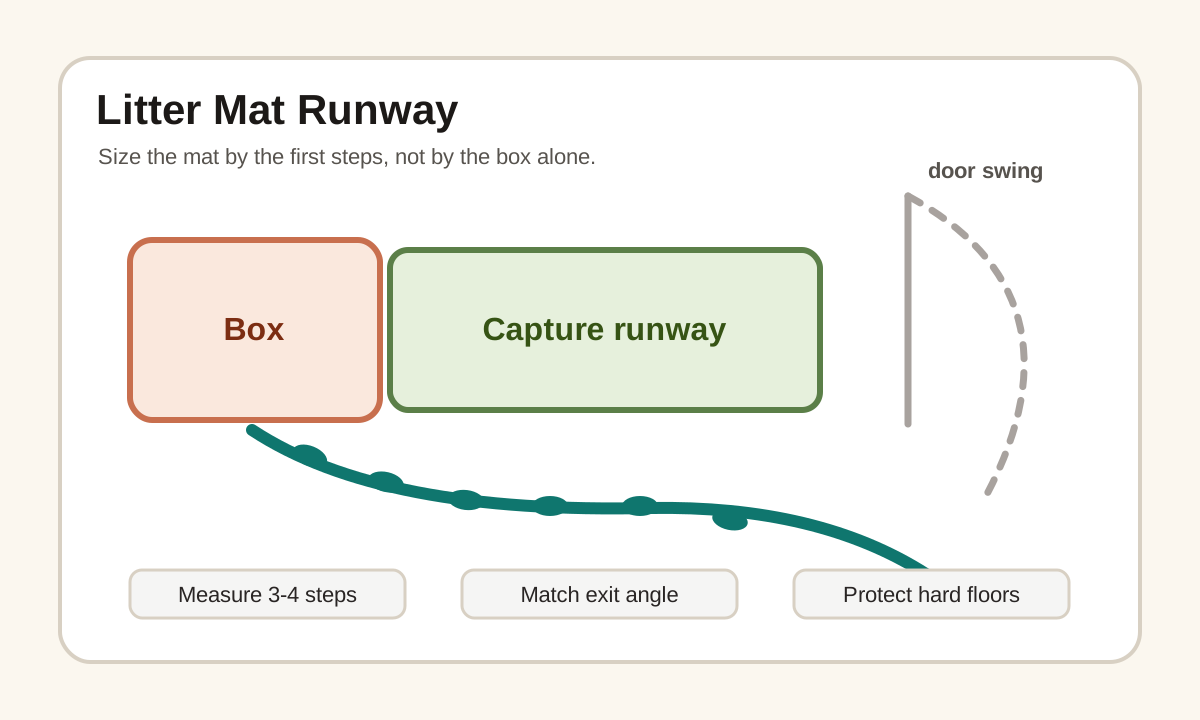
A closer look at the setup. This illustration is a planning aid; follow your model’s instructions for assembly.
Common Causes
- The mat misses the landing zone.
- A curled edge, unstable backing or disliked texture encourages avoidance.
- The mat is full or awkward to empty without spilling.
Step-by-Step Fix
- Observe where your cat lands and turns after a normal box visit.
- Empty and clean the existing mat according to its instructions.
- Move it into that route while preserving a clear, comfortable approach to the box.
- Measure door clearance and surrounding obstacles with the mat in place.
- If the usable footprint is still too short, compare measured alternatives in the planner; a no-match result means the layout needs another look.
Diagnose the Miss Before Buying Another Mat
A mat fails in a few predictable ways: it is shorter than the exit path, it slides, the cat jumps over it, it traps litter but is never emptied, or its texture is unpleasant enough that the cat skirts it. Watch the next few exits rather than judging by a product photo or a single spill.
Measure from the box opening to the point where the cat's paws are reliably clean. Also measure around the side if the cat turns immediately. In a narrow apartment hallway, rotating the box can create a longer capture path without increasing the mat footprint.
- If the cat jumps: extend the runway or change the box orientation.
- If the mat slides: verify that its backing is compatible with your floor and that the floor is dry.
- If litter sits on top: empty or shake it outside the cat area more often.
- If the cat avoids it: try a lower-profile, easier-to-cross surface rather than adding obstacles.
Choose for Cleanup, Not Marketing Labels
Two-layer, textured, fabric, and rubber mats trade off capture, cleanup, moisture handling, and comfort. There is no universal best material. The useful choice is the one you can lift, empty, wash, and dry without leaving moisture against the floor or turning the entry into a trip hazard.
Avoid treating a mat as an odor or accident solution. It is a tracking tool. If the mat is repeatedly wet, soiled, or heavily dusted, clean it according to its care instructions and investigate the box, litter, or health concern separately.
Set a Small Maintenance Loop
Add the mat to the same cadence as scooping: a quick pass for loose granules, then a regular lift-and-clean. That prevents captured litter from being kicked out again and keeps the floor edge visible for moisture checks.
If a mat never fits the cat's route or your cleaning routine, stop trying to make it work. A different box orientation, a simpler washable runner, or a lower-tracking litter can be a better test than layering multiple mats in a cramped room.
What Not to Buy Yet
- A mat picked by room size alone.
- Extra layers that curl or slide.
- A bigger mat that makes an already narrow route uncomfortable.
Maintenance Schedule
- Empty captured litter before it spills back onto the floor.
- Check edges and grip after cleaning.
- Recheck the landing zone if you move or replace the box.
Keep going
Sources and Official References
- AAFP/ISFM Environmental Needs Guidelines
Reference for food, water, litter, resting, and multi-cat resource separation.