Litter Tracking
Keep tracked litter off your hardwood floors
Watch the first few steps out of the box, put the mat in the right place and check the floor underneath.
Quick Answer
Watch the first few steps out of the box. Put the mat where those paws actually land, then remove loose grit with a floor-safe method before it gets walked across the room. Protecting hardwood also means checking underneath the mat for moisture.
Before You Buy Anything
- Observe the normal exit route without forcing your cat to walk differently.
- Measure the clear landing area and the door swing.
- Check your floor manufacturer’s guidance for mat backing and cleaning.
Diagram
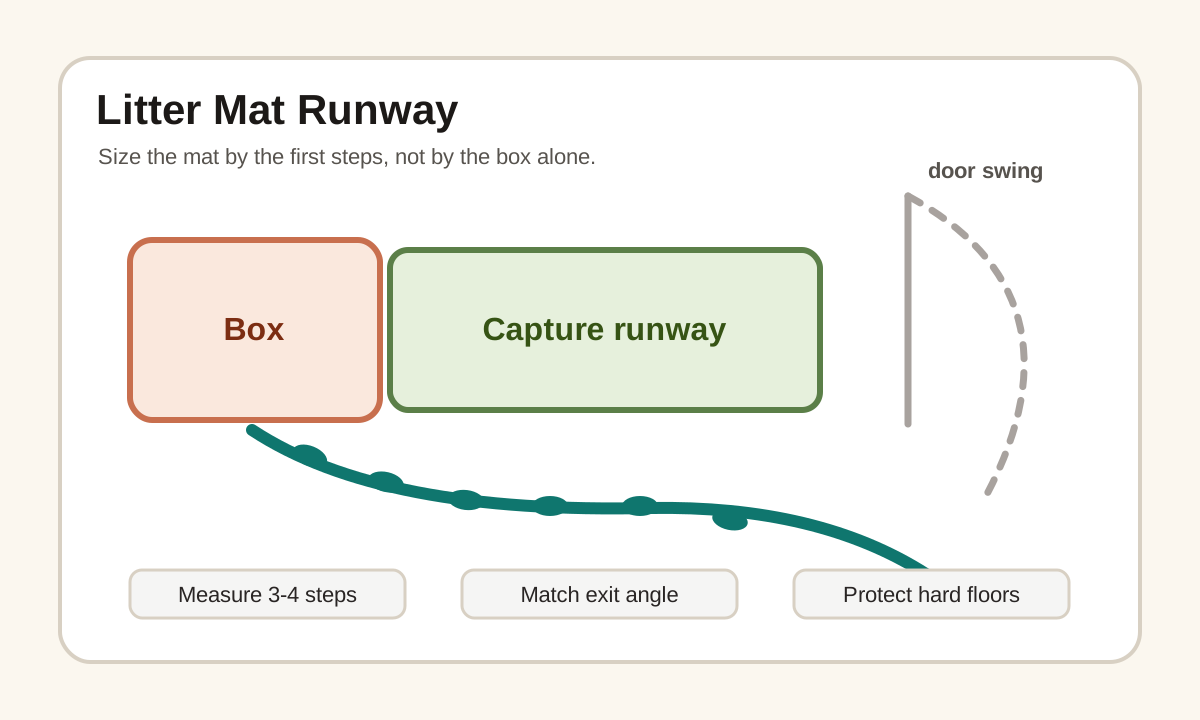
A closer look at the setup. This illustration is a planning aid; follow your model’s instructions for assembly.
Common Causes
- The mat sits beside the route or ends before the first steps land.
- A cat jumps over a mat or avoids its texture.
- Grit collects under the mat or gets carried farther before it is removed.
Step-by-Step Fix
- Observe a normal exit and mark the landing area with removable measurements, keeping tape out of reach.
- Measure the available footprint, nearby obstacles and door clearance.
- Use the mat planner to compare the usable space with an actual mat size.
- Keep the mat flat and stable; do not block access or create a trip edge.
- Lift it regularly to remove grit and inspect for trapped moisture, following your floor’s care instructions.
Map the Actual Exit Route
Do not size a mat from the box footprint. Watch three normal exits and mark the first three or four steps, including the direction the cat turns. A mat that ends at the box opening can look substantial while missing every paw. The goal is a dry, stable capture runway, not a decorative border.
Before moving the box, check door swing, baseboards, heat vents, and the route to food and water. On hardwood, grit and trapped moisture are separate risks: loose granules scratch when walked on; wet litter or a wet mat can affect the finish. Build a routine that catches both.
- Measure the opening and the exit path, then choose the largest easy-to-clean mat that remains flat and stable.
- Orient the opening toward the longest available capture path, not necessarily the prettiest wall.
- Vacuum or sweep grit gently before it is ground in; follow the flooring maker's care instructions for cleaning.
- Lift mats regularly so moisture and fine litter are not held against the floor.
Adjust One Variable at a Time
A larger mat helps only when the cat walks across it. If tracking continues, identify whether the issue is a jump-over exit, loose litter depth, a high-sided box that sends litter forward, or granules caught in toe fur. Change one part of the setup for several days so you can tell what changed the result.
Avoid using sticky pads, strongly scented cleaners, or a mat texture that makes the cat avoid the box. A less aggressive but consistently used capture path beats a complicated floor-defense system that the cat routes around.
Protect the Floor Without Creating a Barrier
Use a low-profile, non-slip surface that your cat can cross confidently. Test it while you are home before treating it as a permanent solution, particularly for older cats, kittens, or cats with mobility concerns. Keep the path clear enough that paws do not track litter around a storage bin or through a narrow gap.
If accidents or wet cleanup are part of the problem, address the cause and use flooring-safe cleaning methods. Do not assume a litter mat is waterproof or that a liner is safe for a specific finish without checking the manufacturer guidance.
What Not to Buy Yet
- A larger mat that blocks a doorway.
- Backing that your flooring instructions advise against.
- A new litter chosen only for tracking claims if it disrupts a setup your cat accepts.
Maintenance Schedule
- Remove loose grit before it gets ground into the floor.
- Clean and dry the mat as its label directs.
- Check under the mat after spills and during routine cleaning.
Keep going
Sources and Official References
- AAFP/ISFM Environmental Needs Guidelines
Reference for food, water, litter, resting, and multi-cat resource separation.