Litter Odor
When your apartment smells like the litter box
Trace the smell to the box, bin or nearby surfaces, then build a routine you can keep up with.
Quick Answer
Start at the source: the box, the scoop, the waste bag and the nearby floor. In a small room, a closed bin full of yesterday’s waste or a missed spot under the box can undo an otherwise good routine. Change one part of the routine at a time so you can tell what helped.
Before You Buy Anything
- Check the waste container and nearby floor as well as the litter.
- Keep the box accessible and the route clear.
- Sudden toileting changes or signs of illness need veterinary advice, not an odor product.
Diagram
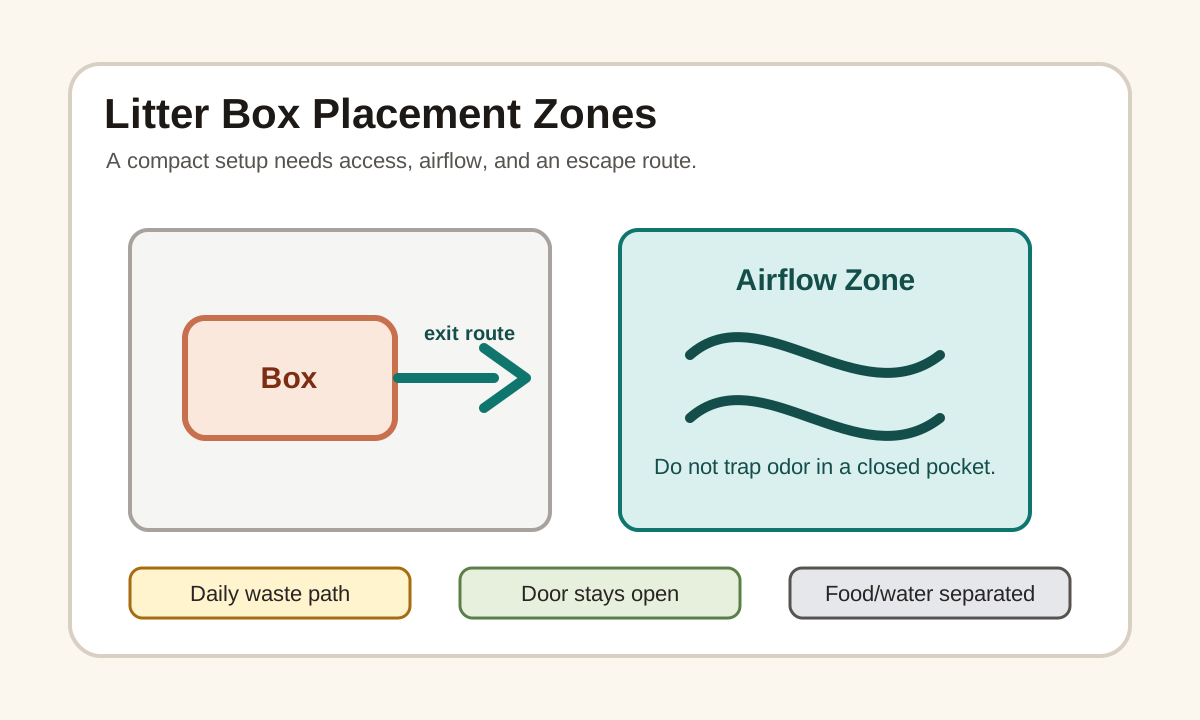
A closer look at the setup. This illustration is a planning aid; follow your model’s instructions for assembly.
Common Causes
- Waste remains in the room after scooping.
- Residue sits on the scoop, box edge, underside or surrounding floor.
- A covered or tightly enclosed setup can trap odor near the cat.
- A change in toileting behavior can have a health or stress-related cause.
Step-by-Step Fix
- Scoop waste and remove the bag from the living area.
- Check and clean the scoop, bin, box exterior and nearby floor with products suitable for each surface.
- Follow the litter and box instructions for a full refresh; do not mix cleaners.
- Check access and ventilation without placing the box in a busy doorway or beside food and water.
- Use the routine planner to make a short checklist, then note which step actually reduces the recurring smell.
Locate the Odor Instead of Masking It
For one day, remove scooped waste from the home immediately and keep the box area otherwise unchanged. If the room improves markedly, the waste container or trash route is the first problem. If it does not, smell near the box rim, mat, wall, floor edge, scoop holder, and any covered enclosure after cleaning. The source is often residue or trapped waste, not the loose litter itself.
A studio has little air volume and few places for odors to disperse, so a small miss feels large. Perfume, essential oils, and strong deodorizers make it harder to identify the source and can be unpleasant or unsafe around cats. Start with removal, cleaning, and ventilation that does not make the cat's box feel exposed or inaccessible.
- Scoop on a cadence that matches cat count and the room; empty stored waste before the container becomes the odor source.
- Wash the box, mat, scoop, waste-pail rim, and floor edge using product-label directions.
- Check that the box is large enough, easy to enter, and not wedged beside food, water, or a noisy appliance.
- Use an unscented routine before adding any odor-control product.
Covered Boxes and Small Rooms
A cover can hide odor from people while concentrating it where the cat stands. It may work for some cats, but it is not a substitute for box size, cleaning, or waste removal. Watch behavior after any change: hesitation, perching at the edge, rushing out, or choosing another location are signals to simplify the setup.
Prioritize a predictable route in and out. A box tucked into a bathroom, closet, or bedroom corner needs clear entry, an escape path, and enough nearby floor space to clean without moving furniture. The neatest placement is not helpful if it turns routine cleaning into a difficult chore.
When Odor Is a Health Signal
A sudden strong odor alongside straining, frequent small urinations, blood, vocalizing, increased thirst, appetite or energy changes, vomiting, distress, or sudden box avoidance is not a gear-shopping problem. Contact a veterinarian promptly. Do not wait to see whether a different litter, deodorizer, or purifier changes it.
For ordinary routine odor, keep a simple record for a week: cat count, scoop times, trash removal, litter depth, full clean, and the exact place odor returns. That record turns vague frustration into a specific fix and is useful if you later need veterinary or product-support advice.
What Not to Buy Yet
- Perfume or essential oils to cover an unresolved source.
- An enclosure that makes the box harder to reach or clean.
- A purifier as a replacement for removing waste.
Maintenance Schedule
- Check and scoop the box daily, adjusting to actual use.
- Empty the waste container before its contents become the room’s odor source.
- Follow the product labels for full litter changes and washing.
When This Is Not a Gear Problem
Small Space Cat Gear does not provide veterinary advice. Contact a veterinarian promptly if your cat shows urinary changes, straining, blood in urine, unusual thirst, appetite changes, vomiting, lethargy, distress, sudden litter box avoidance, or other concerning symptoms.
Keep going
Sources and Official References
- AVMA - Feline lower urinary tract disease
Used for routing urinary warning signs to veterinary care.
- AAFP/ISFM Environmental Needs Guidelines
Reference for food, water, litter, resting, and multi-cat resource separation.