Cat Water Fountains
When should you replace a fountain filter?
Find your model’s interval, count the filters you already have and plan replacement dates without overbuying.
Quick Answer
Use the interval in your exact fountain’s instructions. Then count the replacement dates in your planning window and subtract the unused compatible filters you already own. Cleaning the fountain and replacing its filter are separate jobs.
Before You Buy Anything
- Match the fountain model and filter SKU, including regional differences.
- Check your unused stock before choosing a pack.
- If the problem is weak flow or slime, clean and troubleshoot first.
Diagram
A closer look at the setup. This illustration is a planning aid; follow your model’s instructions for assembly.
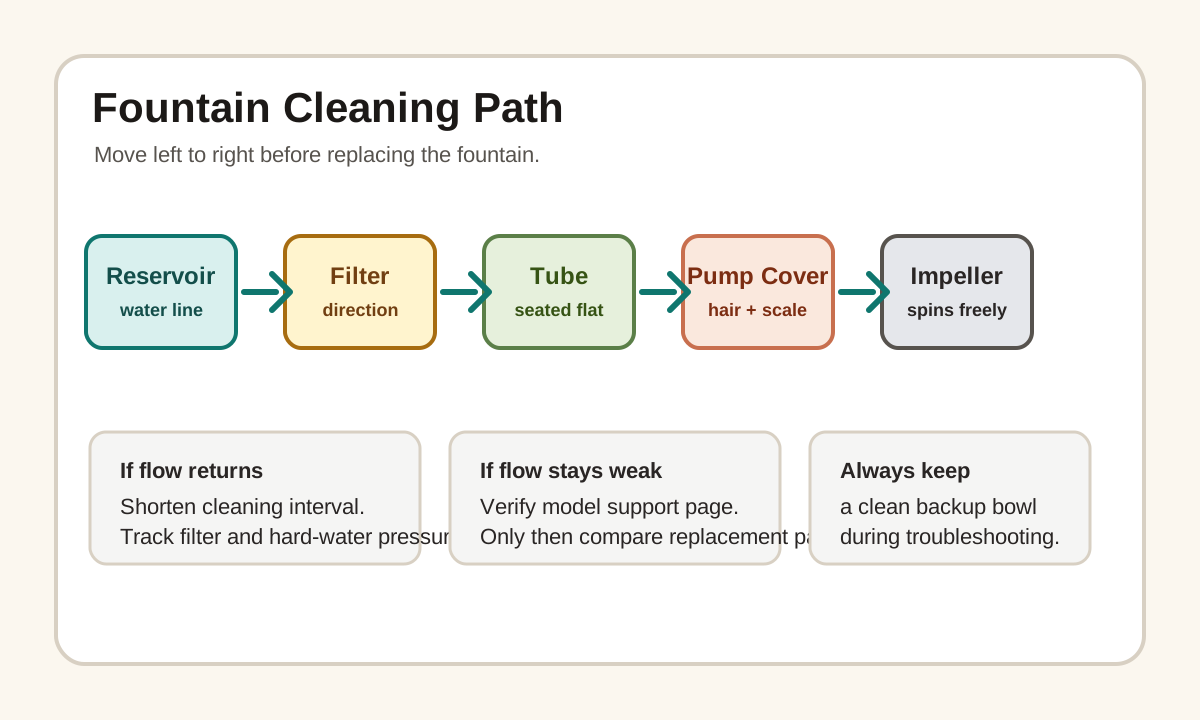
Identify the model before the part
Full-size Flower and Mini Flower filters are not interchangeable. Read the model label before selecting a pack; matching shape or brand is insufficient. No pump fit is established here because connector and revision evidence is missing.
| Exact model | Filter pack SKU | Excluded model |
|---|---|---|
| Catit Flower Fountain #43742 | 43745 (2), 43746 (5), 43748 (12) | Mini Flower 43735 |
| Catit Mini Flower Fountain #43735 | 44005 (3) | Flower 43742 |
Worked calendar: with a fresh filter installed on October 1, a confirmed 30-day interval and a 90-day inclusive horizon, changes fall on October 31, November 30 and December 30. Two unused filters leave one short; a two-pack covers it with one left. Cleaning remains a separate task.
Identify a part and build the maintenance calendarWhere these details come from
Section: Technical specifications; filtration. Scope: 43742; North America and Europe identified separately; unspecified revisions not inferred. Source checked: 2026-09-18. Source revision date: not stated. Evidence: manufacturer-stated.
- 43742 footprint 21 × 21 cm; reservoir capacity 3 L, not a minimum working level.
- Uses Triple Action Fountain Filter. Plastic body per manufacturer.
Section: Technical specifications; Mini Flower Fountain Filter. Scope: 43735. Source checked: 2026-09-18. Source revision date: not stated. Evidence: manufacturer-stated.
- 43735 footprint 18 × 18 cm; reservoir capacity 1.5 L.
- Requires mini-sized filter; full-size Flower filter fit is not inferred.
Section: Specifications; Tips for use. Scope: Flower Fountain; packs 43745 / 43746 / 43748. Source checked: 2026-09-18. Source revision date: not stated. Evidence: manufacturer-stated.
- Packs of 2, 5 and 12 respectively.
- Manufacturer states replacement every 30 days. Check the supplied manual if its guidance differs.
Section: Specificaties; Tips voor gebruik. Scope: Mini Flower Fountain; 44005 3-pack; regional retailer availability unverified. Source checked: 2026-09-18. Source revision date: not stated. Evidence: manufacturer-stated.
- 44005 is a 3-pack for the Mini Flower Fountain.
- Manufacturer specifies 30-day replacement.
Common Causes
- Different fountains use different filters, even within one brand.
- A pack’s purchase date is easy to confuse with the date a fresh filter was installed.
- Counting an already installed filter again can inflate a supply estimate.
Step-by-Step Fix
- Find the model number and the supplied manual’s replacement interval.
- Choose a start date and say whether a fresh filter is already installed that day.
- Count unopened, compatible filters; do not count the one already in use.
- Use the calculator to list replacement dates, subtract your stock and round any shortfall up to whole packs.
- Before checkout, check the retailer’s selected model and pack count against your plan.
A worked example: three months, one spare
Suppose a model’s verified interval is 30 days, a fresh filter is installed on day 0, and you are planning through day 90. The replacement dates fall on days 30, 60 and 90: three filters.
If you have one unused compatible filter, your shortfall is two. One two-pack covers it. Buying another pack would add stock, not improve the schedule. The calculator handles calendar dates and pack rounding for you.
What the two Catit model records cover
The catalog distinguishes the full-size Flower Fountain 43742 from the Mini Flower Fountain 43735. Their listed filters are not interchangeable. Manufacturer guidance is recorded as 30 days for these records; use your supplied instructions if they differ.
The tool does not infer a shorter or longer interval from water hardness, season or cat count. If the manual asks you to adjust care for your situation, use that guidance and inspect the fountain regularly.
What Not to Buy Yet
- A universal replacement schedule based only on how many cats you have.
- An unfamiliar filter that merely looks the same shape.
- A bulk pack you do not need or cannot store dry.
Maintenance Schedule
- Note the installation date when fitting a fresh filter.
- Keep cleaning the fountain on its own schedule.
- Recheck the manual when you change models or filter types.
When This Is Not a Gear Problem
Small Space Cat Gear does not provide veterinary advice. Contact a veterinarian promptly if your cat shows urinary changes, straining, blood in urine, unusual thirst, appetite changes, vomiting, lethargy, distress, sudden litter box avoidance, or other concerning symptoms.
Keep going
Sources and Official References
- PETLIBRO Dockstream replacement filter guidance
Manufacturer reference for two-week filter replacement and multi-pet replacement pressure.
- Catit Triple Action Fountain Filters
Manufacturer reference for 30-day filter replacement and visible saturation guidance.
- PetSafe Drinkwell filter replacement support
Manufacturer support reference for 2-4 week filter replacement and rinsing before installation.
- PetSafe fountain pump cleaning support
Manufacturer support reference for pump cleaning, impeller access, and hard-water scale.
- Cornell Feline Health Center - Hydration
Veterinary source for careful wording around cat hydration needs.