Cat Water Fountains
Cat fountain not pumping? Start here.
Check the water level, clear the hidden water path and find out whether the pump needs cleaning or support.
Quick Answer
A silent fountain does not automatically need a new pump. Put out a clean water bowl, unplug the fountain, and work from the easiest obstruction to the pump’s accessible parts. Stop if the cord, adapter or housing is damaged.
Before You Buy Anything
- Read the model number on the base and find its manual.
- Check the working water level, intake and tube before ordering a part.
- If cleaning restores steady flow, keep the pump you have.
Diagram
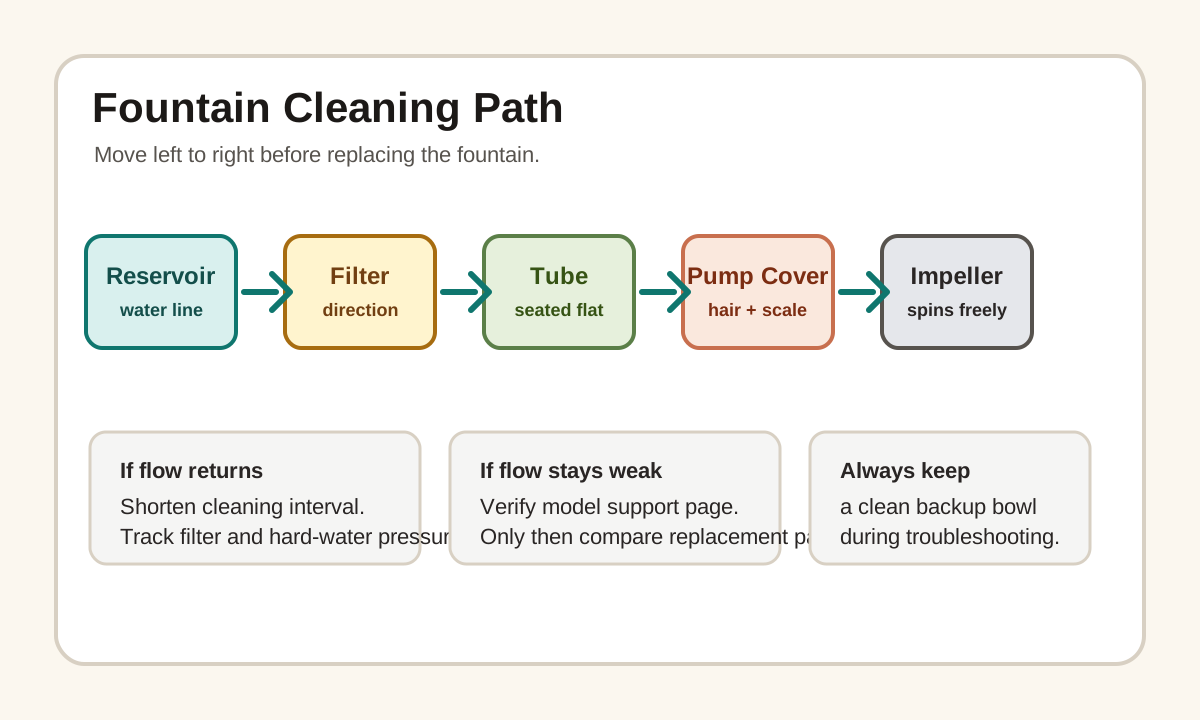
A closer look at the setup. This illustration is a planning aid; follow your model’s instructions for assembly.
Common Causes
- Water below the model’s working level can leave the pump drawing air.
- Hair, sediment or slime can restrict the intake, tube or impeller chamber.
- A tube, cover or pump may be seated incorrectly after cleaning.
- A failed adapter or pump is possible, but appearance alone cannot identify a safe replacement.
Step-by-Step Fix
- Set out a fresh water bowl so troubleshooting does not interrupt access to water.
- Unplug at the outlet. Check the cord and adapter for damage without opening sealed parts.
- Use the manual to remove the intake cover and any user-serviceable pump parts. Clear debris gently; do not force an impeller out.
- Rinse and reassemble the water path, seat the tube and pump, then refill to the specified level.
- With dry hands, reconnect and watch for stable flow. If it still fails, unplug it and contact the manufacturer with the model number and symptoms.
Work through the pump check
Start with a clean bowl of water beside the fountain so your cat is never waiting on the repair. Then unplug the unit, empty it, and take a photo before separating parts. That photo is surprisingly useful when a tube, pump cover, or flow spout has an orientation that is easy to reverse.
With the fountain reassembled and filled to its marked line, listen before you touch anything. A hum with no water movement points toward a blocked intake, trapped air, a pinched tube, or an impeller that is not spinning freely. Complete silence can be a power, connection, or pump failure. Do not open sealed electrical sections. Use the exact model manual to identify user-serviceable parts.
- Confirm the outlet, adapter, cord, and connector are dry and undamaged.
- Make sure the pump is fully seated and covered by water before testing.
- Remove the pump cover only as the manual permits; lift out hair, grit, and mineral flakes from the impeller well.
- Rinse a new filter before installation when the manufacturer calls for it, and confirm its direction.
- Reassemble one part at a time; do not force a tube or cover into place.
Separate a Clog From a Failed Pump
A pump that resumes after its intake and impeller well are cleaned is a maintenance problem, not evidence that the whole fountain was defective. A pump that hums but stops again immediately may be dry-running, obstructed, or worn; do not keep cycling it while empty. Recheck water level and every water path first.
Replacement is reasonable only after the model number, power rating, connector shape, and official part number agree. Marketplace photos are not a compatibility check. If the housing is cracked, the cord is damaged, water is reaching a connector, or the unit trips power, stop using it and follow the manufacturer or retailer support path.
Make the Next Cleaning Easier
In a small home, a fountain gets neglected when cleaning means hunting for a drying spot and losing the only water source. Keep a dedicated soft brush, a clean towel, and a backup bowl together. Put the backup bowl down before washing the fountain, not after it has been dismantled.
Track what you actually find during two cleaning cycles: hair at the intake, scale, food crumbs, or slick residue. That observation tells you whether to shorten cleaning intervals, move the fountain away from food or sun, change water more often, or ask the maker about a replacement pump. It is more useful than replacing filters on instinct.
What Not to Buy Yet
- A lookalike pump with an unverified connector, voltage or revision.
- A fresh filter as a substitute for clearing the pump and tube.
- A whole new fountain before a safe cleaning and reassembly check.
Maintenance Schedule
- Check water level and flow when you refresh the water.
- Include the intake and accessible pump chamber in the manual’s cleaning routine.
- Keep the model number and manual link somewhere easy to find next time.
When This Is Not a Gear Problem
Small Space Cat Gear does not provide veterinary advice. Contact a veterinarian promptly if your cat shows urinary changes, straining, blood in urine, unusual thirst, appetite changes, vomiting, lethargy, distress, sudden litter box avoidance, or other concerning symptoms.
Keep going
Sources and Official References
- Cornell Feline Health Center - Hydration
Veterinary source for careful wording around cat hydration needs.
- PETLIBRO fountain troubleshooting
Manufacturer support example for pump, water-level, and reassembly checks.
- Catit Flower Fountain Q&A
Manufacturer support example for fountain flow and cleaning questions.
- PetSafe Drinkwell Platinum pump support
Manufacturer support example for pump and impeller troubleshooting.