Cat Water Fountains
Why is the cat fountain so noisy?
Separate splashing, rattling and surface vibration, then work through the checks that can quiet the setup.
Quick Answer
Listen for where the sound comes from. A splash points to the falling water; a rattle suggests a loose part; a hum that gets louder through the shelf may be vibration. Check the water level and assembly before moving or replacing anything.
Before You Buy Anything
- Put out a separate water bowl while you investigate.
- Check whether the noise changes after refilling to the manual’s level.
- Try a stable, level surface away from a resonant shelf edge.
Diagram
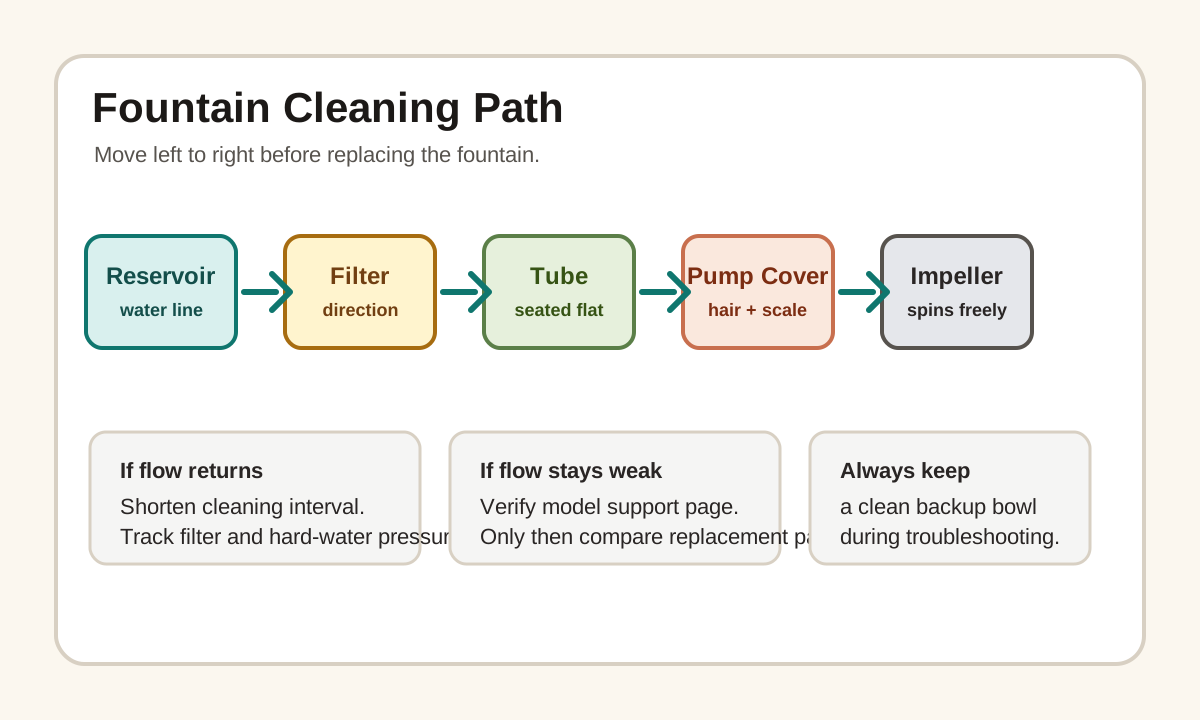
A closer look at the setup. This illustration is a planning aid; follow your model’s instructions for assembly.
Common Causes
- Low water or an incorrectly seated water path can make splashing louder.
- Debris or poor reassembly can cause rattling in accessible pump parts.
- A hollow cabinet or lightweight shelf can amplify normal vibration.
Step-by-Step Fix
- Notice whether the sound is splashing, rattling or a steady hum; a short recording can help when contacting support.
- Unplug the fountain and check its water level, tube connections and covers.
- Clean the user-serviceable intake and pump parts according to the manual.
- Reassemble on a level, water-resistant surface with a safe cord route.
- Restart and compare from your usual seat or bed. If an unusual grinding sound continues, stop using it and ask the manufacturer for help.
Identify the Sound Before Treating It
A fountain can make three very different sounds: water falling, a vibrating housing, or a struggling pump. Turn it off and on only after checking the water level. Unplug it before moving it to another stable surface, then compare the sound after restarting. A change can help you identify surface vibration. If it changes as the reservoir is topped up, the pump is likely pulling air or working with too little water.
Grinding, clicking, or a new harsh buzz deserves a powered-off inspection. Hair, mineral scale, and residue can interfere with the impeller. Do not use a towel or foam pad to hide a sound until the fountain is stable, dry underneath, and operating normally; padding is for harmless resonance, not for an electrical or mechanical fault.
- Water noise: adjust the level or flow attachment according to the manual.
- Surface vibration: test a thin, non-slip, washable pad that does not block ventilation or trap spills.
- Pump noise: clean the pump cavity and impeller, then refill before retesting.
- New or intermittent electrical noise: stop use and contact the manufacturer with the model and a short video.
Quiet Placement Is More Than Decibels
A quiet fountain on a product page can be loud on a hollow shelf, metal tray, or hard floor beside a wall. Place it on a stable surface with enough room to remove the reservoir and route the cord without a pinch point. In a bedroom, avoid a location where the water sound reflects directly off a wall or nightstand toward the bed.
Do not solve noise by placing water close to a litter box, in a tight cabinet, or near a heat source. A calm, accessible location matters more than hiding the unit. Keep a simple water bowl available if you need several days to determine whether the sound is maintenance-related.
Know When Not to Keep Testing
Unplug the fountain if there is a damaged cord, burning smell, moisture at a connector, repeated loss of power, or a crack that could direct water toward electricity. Photograph the condition and use the manufacturer's support and recall channels rather than attempting a repair beyond the manual.
If your cat suddenly avoids water, is drinking unusually much or little, or shows any other concerning change, treat that as a veterinary question instead of an appliance problem. A quieter fountain is not a diagnosis or treatment.
What Not to Buy Yet
- A replacement pump advertised as universal without electrical and model confirmation.
- Soft padding that makes the fountain unstable, traps spills or blocks ventilation.
- A new fountain bought on an unsupported promise of silence.
Maintenance Schedule
- Check level before bed if falling-water noise bothers you at night.
- Recheck assembly whenever cleaning changes the sound.
- Keep water away from outlets and retain a stable surface when changing placement.
When This Is Not a Gear Problem
Small Space Cat Gear does not provide veterinary advice. Contact a veterinarian promptly if your cat shows urinary changes, straining, blood in urine, unusual thirst, appetite changes, vomiting, lethargy, distress, sudden litter box avoidance, or other concerning symptoms.
Keep going
Sources and Official References
- Cornell Feline Health Center - Hydration
Veterinary source for careful wording around cat hydration needs.
- PETLIBRO fountain troubleshooting
Manufacturer support example for pump, water-level, and reassembly checks.
- Catit Flower Fountain Q&A
Manufacturer support example for fountain flow and cleaning questions.
- PetSafe Drinkwell Platinum pump support
Manufacturer support example for pump and impeller troubleshooting.