Cat Water Fountains
How to clean a slimy cat fountain
Reach the slippery film hiding under the lid and inside the water path—and make the next cleaning easier.
Quick Answer
A slippery film needs physical cleaning of the wetted surfaces, including hidden channels. Changing the filter alone will leave much of it behind. Unplug the fountain, follow its cleaning instructions, and provide a clean bowl while it is apart.
Before You Buy Anything
- Find out which parts can be removed and how the manufacturer says to wash them.
- Look inside the intake, tube and accessible pump chamber, not just the bowl.
- Check whether scratches or inaccessible damaged parts make thorough cleaning difficult.
Diagram
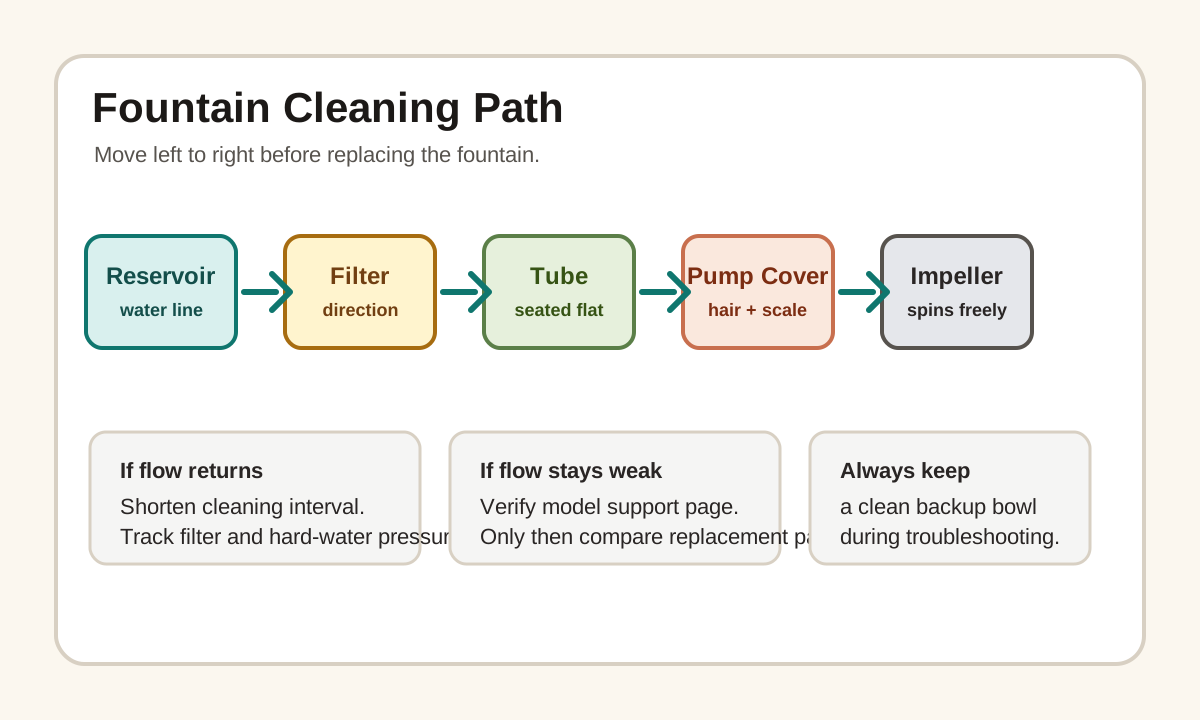
A closer look at the setup. This illustration is a planning aid; follow your model’s instructions for assembly.
Common Causes
- Wet surfaces can develop a film between cleanings.
- Hair, saliva and debris can accumulate in narrow water paths.
- A quick bowl rinse leaves hidden surfaces untouched.
Step-by-Step Fix
- Provide fresh water in a clean bowl and unplug the fountain.
- Disassemble only the parts the manual identifies as user-serviceable.
- Wash the bowl, channels, covers and accessible pump parts using the approved method.
- Rinse thoroughly, inspect for remaining film and reassemble with fresh water.
- Replace consumables when their instructions call for it. If a damaged part cannot be cleaned properly, ask the manufacturer about that exact part.
What the Slick Film Usually Means
A slippery film is commonly called biofilm: microorganisms adhering to wet surfaces. It is a cleaning signal, not a reason to dose the fountain with fragrance, disinfectant, or a stronger filter. It often hides in the pump cavity, under a lid, inside a tube, and around the impeller—places a quick rinse does not reach.
White, chalky material is more consistent with mineral scale. Both can exist together. Scale tends to feel gritty or crusted; a slick film smears. Check the manual for the fountain's material-safe descaling method. Never mix cleaning agents, and rinse every surface thoroughly before refilling.
- Unplug the fountain and give the cat a clean backup bowl first.
- Disassemble the reservoir, spout, tube, pump cover, and impeller as the manual directs.
- Wash reachable parts with the product-safe method, then use a small brush only for areas the maker permits.
- Air-dry fully and reassemble with fresh water; replace the filter when its instructions call for it.
Find the Condition That Lets It Return
The useful question after cleaning is not whether the fountain looked clean for a day. Ask what is feeding the repeat problem: warm sunlight, food crumbs nearby, a missed pump cleaning, hard water, a filter left too long, or a cleaning routine that skips hidden parts. Change one condition and observe the next cycle.
In a compact kitchen or bedroom, a fountain can be near cooking residue, dust, or a sunny window because there are few other surfaces. Moving it a short distance to a stable, cooler spot may reduce the maintenance burden more than buying another unit.
Use a Routine You Can Repeat
Choose a realistic interval based on what you observed, then set the fountain on a routine linked to an existing task. A reminder tied to the manufacturer’s schedule is easier to act on than waiting for the water to look dirty.
If odor, cloudiness, weak flow, or slick residue return unusually fast despite thorough cleaning and the manufacturer's interval, document the model and routine for support. Keep the backup bowl in service while you decide whether the issue is maintenance, water quality, or a part problem.
What Not to Buy Yet
- Extra filters as a substitute for washing the fountain.
- Essential oils, fragrances or improvised disinfectant mixtures in drinking water equipment.
- A material marketed as maintenance-free.
Maintenance Schedule
- Feel and inspect the bowl when changing the water; visible debris or a slippery surface warrants attention.
- Follow the fountain’s cleaning schedule and clean sooner when it is dirty.
- Keep a small brush reserved for the parts its manufacturer allows you to scrub.
When This Is Not a Gear Problem
Small Space Cat Gear does not provide veterinary advice. Contact a veterinarian promptly if your cat shows urinary changes, straining, blood in urine, unusual thirst, appetite changes, vomiting, lethargy, distress, sudden litter box avoidance, or other concerning symptoms.
Keep going
Sources and Official References
- Cornell Feline Health Center - Hydration
Veterinary source for careful wording around cat hydration needs.
- PETLIBRO fountain troubleshooting
Manufacturer support example for pump, water-level, and reassembly checks.
- Catit Flower Fountain Q&A
Manufacturer support example for fountain flow and cleaning questions.
- PetSafe Drinkwell Platinum pump support
Manufacturer support example for pump and impeller troubleshooting.